












New in: Marquise Jewellery
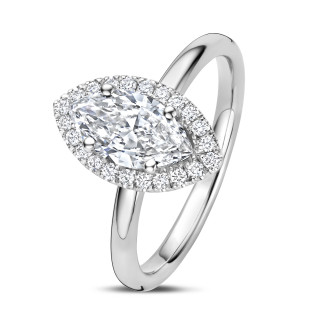
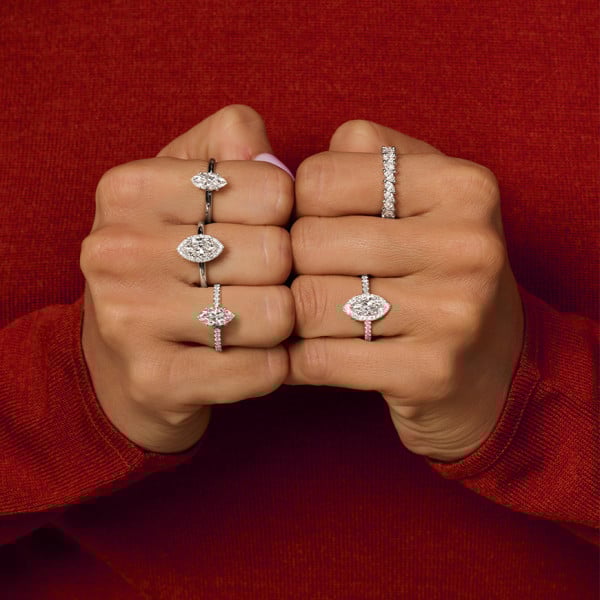
Elegant, elongated, and made to captivate. Explore our newest marquise-cut jewels designed to celebrate love.
Elevate your style with our unique lab grown diamond jewellery collections. Discover now and make heads turn at any occasion.
Create unforgettable memories with our selection of engagement rings that will undoubtedly make your special moment shine
Dreaming of a piece that is rare and remarkable? Then a bespoke jewel is the ideal option for you. Our team of lab grown diamond experts guides you throughout the entire process.
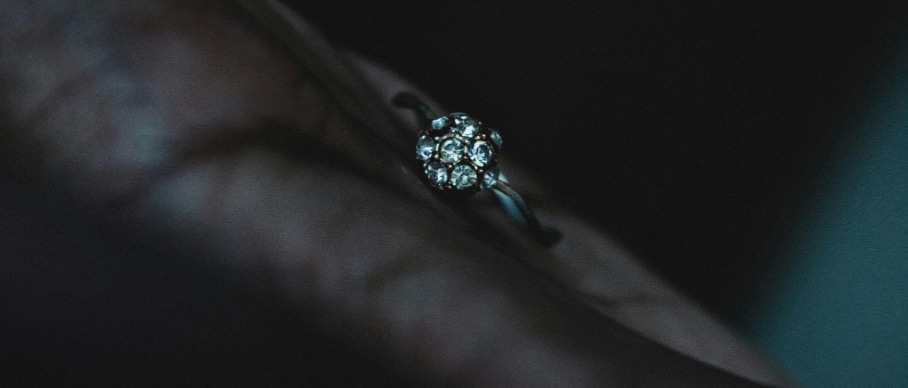
Diamonds have captured humanity’s imagination. Formed by nature across millennia, they have long symbolised rarity, permanence, and affection. However, a disruptive innovation has emerged in recent decades with the advent of lab grown diamonds (LGDs), igniting debates about authenticity, value, and desirability.
Are attitudes shifting? Does society increasingly value innovation over tradition? More importantly, can LGDs carve a lasting position alongside their natural counterparts?
This blog explores this dichotomy by examining recent trends and sentiments surrounding these diamonds.
The jewelry world is witnessing a significant shift in attitudes toward lab-grown diamonds. Once viewed with skepticism, these technologically created gems—identical in chemical, optical, and physical properties to natural diamonds—are now embraced by a growing majority.
A 2024 survey reveals 84% of consumers are aware of lab-grown diamonds, with 74% open to choosing them for engagement rings. This acceptance stems from three key factors: affordability (priced 74% lower than natural diamonds), ethical advantages (no mining or conflict concerns), and design flexibility (allowing unique colors and shapes).
The conversation has evolved beyond questioning authenticity to appreciating different values. Both natural and lab-grown diamonds are genuine, but they represent different priorities—geological romance versus modern ethics and innovation.
.
Attribute | Natural Diamonds | Lab Grown Diamonds |
Cost | Premium-priced | ~74% more affordable |
Consumer Awareness | Universal | Rapidly increasing (84%) |
Chemical Structure | 100% carbon (natural) | 100% carbon (lab-grown) |
Explore the world of platinum with Valquère. Embrace the new kind of luxury with our handcrafted, high-quality platinum jewellery and make your statement.
Uncover Valquère's guide to buying the perfect pendant and experience a new kind of luxury. Make your statement with our high-quality.
Discover Valquère's high-quality, lab-grown diamond earrings. Perfect for any occasion or style; personalise yours today.
Explore Valquère’s collection of high-quality, handcrafted diamond jewellery, perfect for creating a statement on every occasion. Discover a new luxury.
Elegant, elongated, and made to captivate. Explore our newest marquise-cut jewels designed to celebrate love.