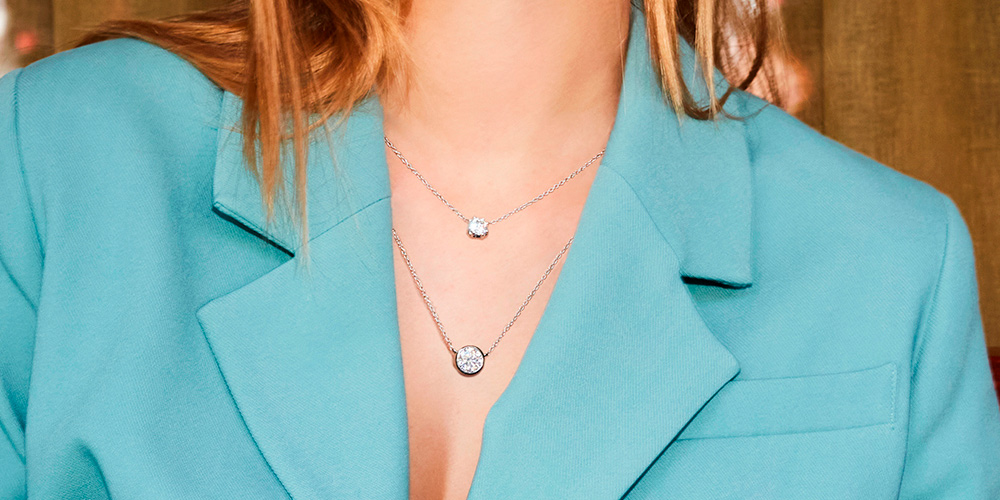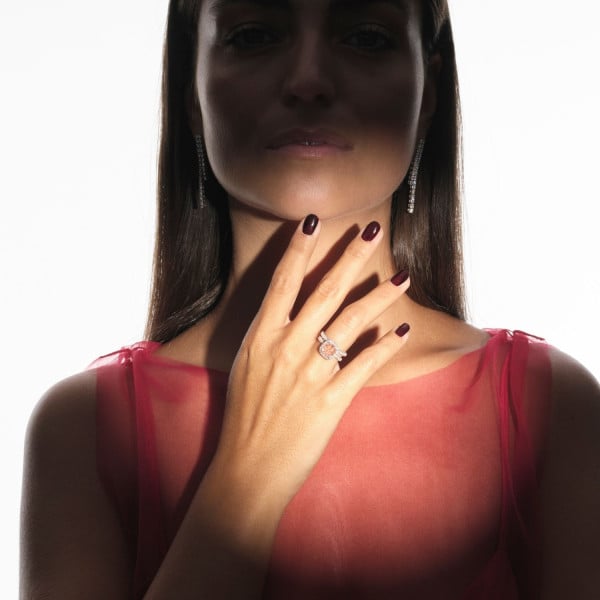








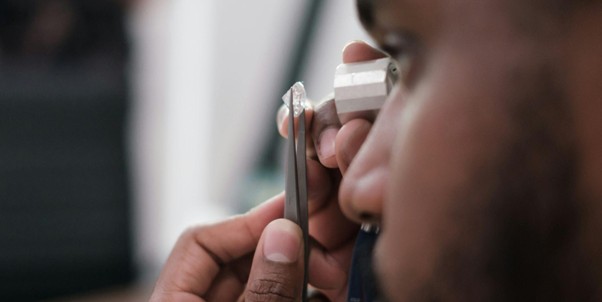
Amidst the glimmer of mined stones, another contender has risen, carving its own radiant path in modern jewellery markets. Lab grown diamonds (LGDs), once an obscure innovation, have gained a 17% market share in just five years, up from 3.5% in 2018. Are these luminous creations the diamonds of tomorrow? Their trajectory suggests they just might be. Today, we explore the allure, impact, and future potential of LGDs.
Read summary
Are lab-grown diamonds reshaping the jewelry industry?
Lab-grown diamonds are making a remarkable impact on the jewelry market, expanding from just 3.5% market share in 2018 to 17% in 2023. These aren't imitations—they're genuine diamonds with identical physical, chemical, and optical properties to mined stones, created in controlled laboratory environments.
What's driving this surge? Lab-grown diamonds offer an appealing combination of affordability, ethical sourcing, and technological sophistication. While they typically don't retain resale value like mined diamonds, they provide immediate accessibility and environmental benefits that many modern consumers prioritize over long-term investment potential.
As technology advances and consumer values evolve, lab-grown diamonds represent the intersection of luxury, sustainability, and innovation—a brilliant alternative for today's conscious jewelry buyers.
Most viewed diamond jewels
-
![3.50 carat tennis bracelet in white gold with diamonds]() 3.50 carat tennis bracelet in white gold with diamondsFrom € 2.202,20 (incl. 21% VAT)
3.50 carat tennis bracelet in white gold with diamondsFrom € 2.202,20 (incl. 21% VAT) -
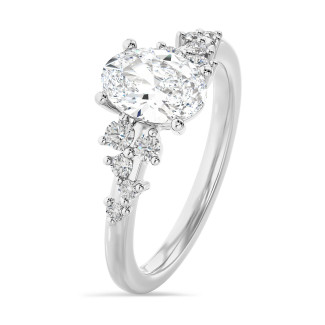
![1.00 carat solitaire cluster ring in white gold with oval diamond]() 1.00 carat solitaire cluster ring in white gold with oval diamondFrom € 2.444,20 (incl. 21% VAT)
1.00 carat solitaire cluster ring in white gold with oval diamondFrom € 2.444,20 (incl. 21% VAT) -
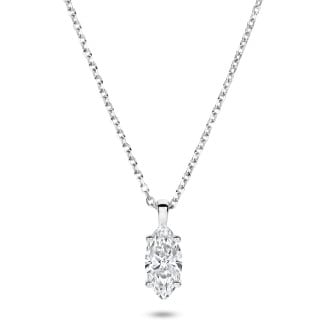
![1.00 carat solitaire marquise cut diamond pendant in white gold]() 1.00 carat solitaire marquise cut diamond pendant in white goldFrom € 1.754,50 (incl. 21% VAT)
1.00 carat solitaire marquise cut diamond pendant in white goldFrom € 1.754,50 (incl. 21% VAT) -
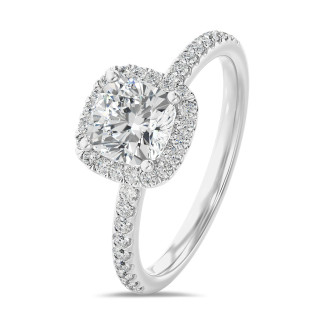
![1.00 carat solitaire halo ring with a cushion diamond in white gold with round diamonds]() 1.00 carat solitaire halo ring with a cushion diamond in white gold with round diamondsFrom € 3.037,10 (incl. 21% VAT)
1.00 carat solitaire halo ring with a cushion diamond in white gold with round diamondsFrom € 3.037,10 (incl. 21% VAT) -
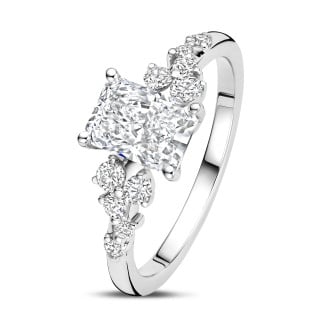
![1.00 carat solitaire cluster ring in white gold with a radiant cut diamond]() 1.00 carat solitaire cluster ring in white gold with a radiant cut diamondFrom € 2.383,70 (incl. 21% VAT)
1.00 carat solitaire cluster ring in white gold with a radiant cut diamondFrom € 2.383,70 (incl. 21% VAT)
.
What are lab grown diamonds?
The rise of the market share
Why this meteoric rise? The appeal of LGDs lies in their combination of affordability, ethical sourcing, and technological sophistication. While mined diamonds are influenced by the unpredictability of natural supply chains, the reproducible conditions of labs ensure consistency, availability, and scalability, empowering consumers with more accessible price points.
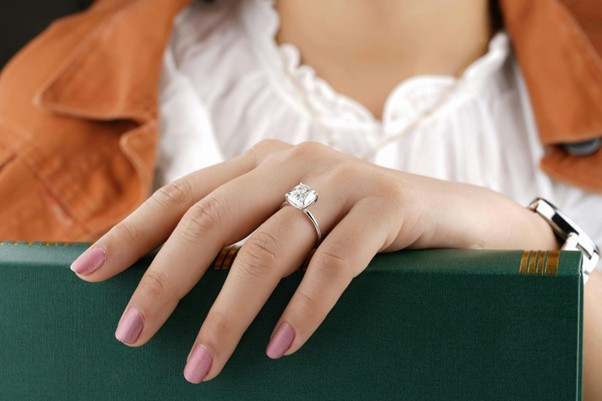
Do lab grown diamonds hold their value?
Cultivated diamonds, due to their reproducibility, often do not command the same resale prices as their mined counterparts. Their value lies more in upfront accessibility than in long-term appreciation. Ultimately, for those prioritising immediate affordability, ethical sourcing, and environmental consciousness over investment, lab grown diamonds present an undeniably appealing proposition. Interestingly, their quality has also improved dramatically over the most recent years.
Final Thoughts: A Future Shaped by Brilliance and Responsibility
Whether you’re exploring your first lab grown engagement ring or designing a bespoke gift, Valquère invites you to experience a diamond as unique as your values.

-
Fabienne Rauw
- Valquère Antwerp
- My Linkedin profile - Contact me