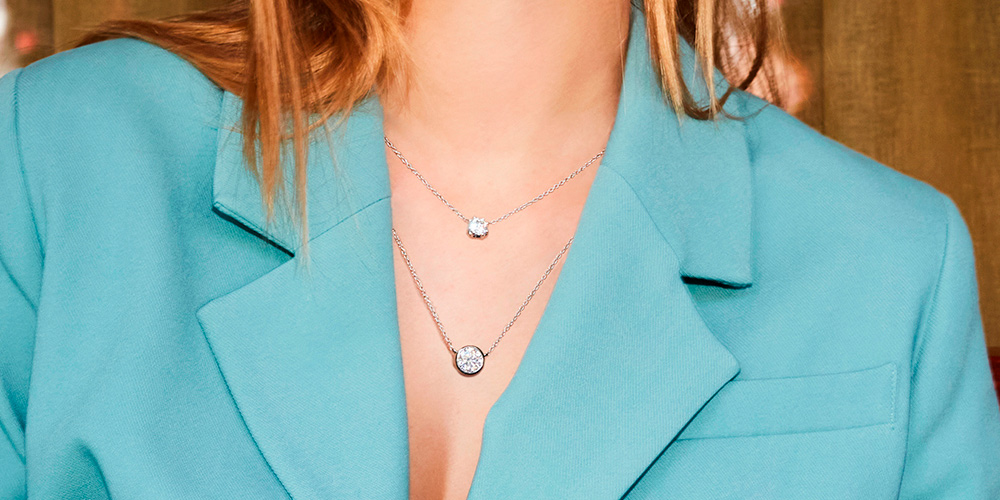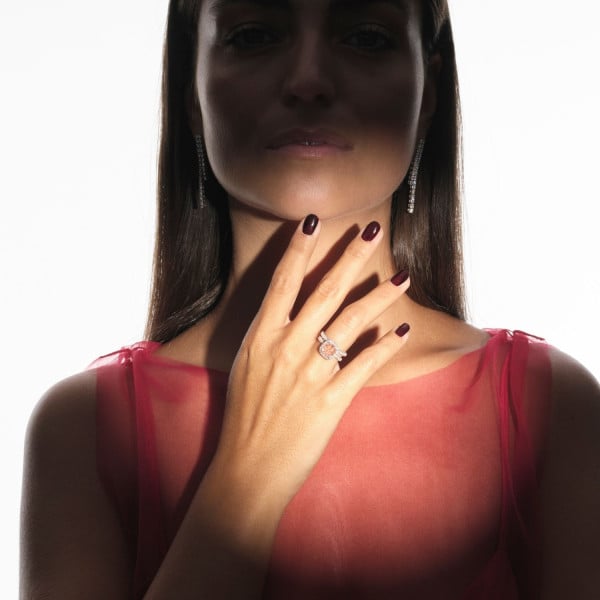









The global gemstone industry is undergoing a big transformation, with lab grown diamonds (LGDs) taking centre stage. These cultivated stones are more than a technological feat; they represent a shift toward innovation, personalisation, and evolving consumer values.
According to Stats and Research, the lab grown market is forecast to grow an estimated $24 billion in 2023 to a staggering $59.2 billion by 2031, reflecting a compelling compound annual growth rate (CAGR) of 9.6%. What’s driving this impressive trajectory? Let’s explore the key factors (why, how, and what) and offering insights into this global phenomenon.
Read summary
What's Driving the Explosive Growth of Lab-Grown Diamonds?
The global gemstone industry is experiencing a remarkable transformation, with lab-grown diamonds at the forefront. Projected to grow from $24 billion in 2023 to $59.2 billion by 2031 (a 9.6% CAGR), these scientifically created stones are identical to natural diamonds but align with modern values.
This growth is fueled by changing consumer preferences, particularly among Millennials and Gen Z who prioritize sustainability and ethics. The competitive pricing (up to 60% less than natural diamonds), technological advancements in production methods, and customization options make lab-grown diamonds increasingly attractive.
Beyond jewelry, these diamonds serve crucial roles in electronics, industrial applications, and cutting-edge research, cementing their place in both luxury and technological sectors.
Most viewed diamond jewels
-
![3.50 carat tennis bracelet in white gold with diamonds]() 3.50 carat tennis bracelet in white gold with diamondsFrom € 2.202,20 (incl. 21% VAT)
3.50 carat tennis bracelet in white gold with diamondsFrom € 2.202,20 (incl. 21% VAT) -
![1.00 carat solitaire cluster ring in white gold with oval diamond]() 1.00 carat solitaire cluster ring in white gold with oval diamondFrom € 2.444,20 (incl. 21% VAT)
1.00 carat solitaire cluster ring in white gold with oval diamondFrom € 2.444,20 (incl. 21% VAT) -
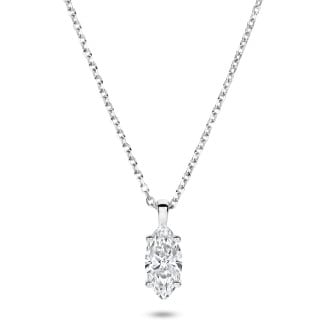
![1.00 carat solitaire marquise cut diamond pendant in white gold]() 1.00 carat solitaire marquise cut diamond pendant in white goldFrom € 1.754,50 (incl. 21% VAT)
1.00 carat solitaire marquise cut diamond pendant in white goldFrom € 1.754,50 (incl. 21% VAT) -
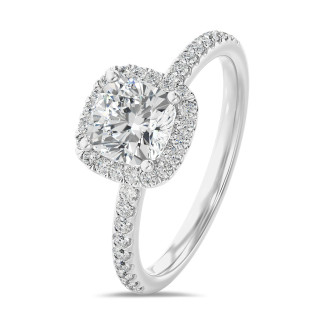
![1.00 carat solitaire halo ring with a cushion diamond in white gold with round diamonds]() 1.00 carat solitaire halo ring with a cushion diamond in white gold with round diamondsFrom € 3.037,10 (incl. 21% VAT)
1.00 carat solitaire halo ring with a cushion diamond in white gold with round diamondsFrom € 3.037,10 (incl. 21% VAT) -
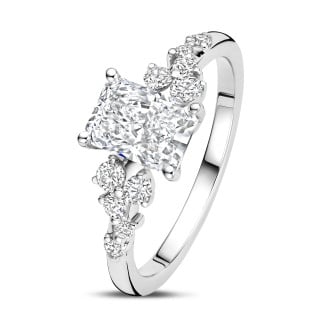
![1.00 carat solitaire cluster ring in white gold with a radiant cut diamond]() 1.00 carat solitaire cluster ring in white gold with a radiant cut diamondFrom € 2.383,70 (incl. 21% VAT)
1.00 carat solitaire cluster ring in white gold with a radiant cut diamondFrom € 2.383,70 (incl. 21% VAT)
.
An ethical revolution sparkling through science
Why does this matter? Today’s consumers, particularly Millennials and Gen Z, are prioritising sustainability and ethical sourcing in their purchasing decisions.
Market applications
Lab grown diamonds are particularly sought after in engagement rings, bespoke wedding bands, and statement pieces. Their cost advantage (up to 60% less than natural diamonds) and customisation potential make them attractive to younger generations seeking luxury that aligns with modern values.
2. Electronics
Due to their superior thermal conductivity and insulating properties, lab grown diamonds are ideal for use in high-performance electronics and semiconductors, where managing heat is paramount.
3. Industrial use
LGDs are used in cutting, grinding, and drilling equipment, providing durability and precision. Their extreme hardness makes them indispensable in construction and manufacturing.
4. Research and technology
From quantum computing to advanced optics, lab grown diamonds are paving the way for breakthroughs in fields that require precise, stable substrates and high-purity materials.
Four key drivers of global growth
1. Changing consumer preferences
Today’s consumer, especially Millennials and Gen Z, demands transparency, integrity, and sustainability. These cultivated diamonds deliver on all fronts.
2. Competitive pricing
While natural diamonds remain a symbol of classic luxury, LGDs provide a more affordable alternative for style-conscious consumers. This price accessibility broadens the market without replacing traditional options.
3. Technological evolution
The evolution of CVD and HPHT methods has allowed manufacturers to enhance production quality and efficiency. These advancements have enabled faster scaling, superior crystalline structures, and custom-cut gems, meeting the demands of both luxury and industrial clients.
4. Expanding customisation options Personal touch matters more than ever. Lab grown diamonds provide customers with a choice of shape, size, and even unique hues. Such innovation is redefining engagement rings, anniversary gifts, and milestone commemorations.
A global movement
With leading production hubs like India and China, the Asia-Pacific region is also experiencing rising domestic demand for lab grown diamonds. Growing disposable income and interest in sustainable luxury are key drivers.
2. North America
A well-established market, the U.S. leads in consumer awareness and early adoption, bolstered by strong bridal market, and sustainability-focused consumers.
3. Europe
Home to design-forward countries like the UK, France, and Italy, jewellers across Europe are embracing lab grown diamonds as part of a broader sustainability-conscious approach to luxury.
A bright future
By 2031, LGDs are expected to not only hold a significant share of the luxury space, but also define new standards of quality, accessibility, and conscious choice. Their rise does not diminish the timeless value of natural stones, but it does signal an exciting new chapter in how we engage with beauty and technology.
Ready to explore the world of lab grown diamonds?
Discover Valquère’s handcrafted collections, where classic design meets modern meaning.

-
Fabienne Rauw
- Valquère Antwerp
- My Linkedin profile - Contact me